As the desk lamp casts a warm glow over scattered notes and a half-opened notebook, the clock ticks down the minutes left in a busy evening. But as you flip through pages, the first ten minutes vanish in a frustrating search for the right material. Each page holds a piece of the puzzle, yet the disorganization makes it feel like you’re hunting for a needle in a haystack. The practice block you envisioned quickly morphs into a chaotic scramble.
With each session, the same cycle repeats: you know you need to review your notes, but without a clear system, you waste precious time just locating the right page. The missed check of having one page ready before starting not only prolongs the session but also dilutes the effectiveness of your practice. Each moment spent searching detracts from the actual learning, leaving you feeling more overwhelmed than accomplished.
The First Ten Minutes Disappear
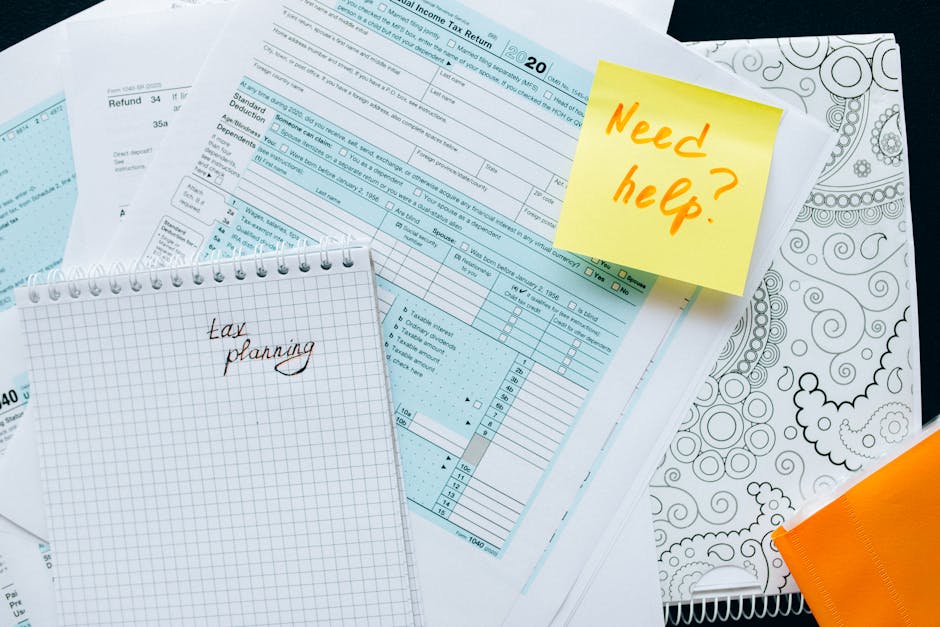
Under the soft glow of your desk lamp, the cluttered surface is a testament to your busy life. Notes are strewn about, a half-opened notebook lies face down, and the clock on the wall ticks steadily toward your next obligation. The first ten minutes vanish as you flip through disorganized pages, searching for the right material. Each note you encounter feels like a fragment of a larger puzzle, but without a clear system, you’re left hunting for a needle in a haystack.
With only a limited window after work, the chaos of scattered notes makes it difficult to focus. You know you should have one page ready before the session starts, but instead, you’re lost in a sea of information. The practice block you envisioned quickly turns into a chaotic scramble, and the precious minutes slip away. Each moment spent searching detracts from your actual learning, leaving you feeling more overwhelmed than accomplished.
A Simple Mistake in Organization
If this pattern keeps repeating, Practical Life Skills Us extends the idea without leaving the niche.
The moment you sit down at your desk, the disarray of your notes becomes painfully apparent. Stacked haphazardly, they blur together, making it nearly impossible to locate the specific information you need for your upcoming practice session. You reach for a notebook, flipping through its pages, only to realize that it’s the wrong one entirely. This small oversight leads to a frustrating search for the right notebook, consuming precious minutes that could have been spent actually learning.
Each time you pause to check a page, the initial focus you had begins to slip away. You think about how easy it was to miss that crucial step of organizing your materials beforehand. A simple adjustment—opening the correct notebook and ensuring it’s ready on your desk before starting—could have saved you from this chaos. Instead, you’re left with a disjointed practice block, where the first few minutes are lost to searching rather than skill-building.
What Happens When Time Slips Away
This same friction shows up again in Learning New Skills As, especially when the day tightens unexpectedly.
You glance at the clock, noting you only have thirty minutes before your next obligation. As you reach for your notebook, a familiar tension creeps in. The first ten minutes vanish as you sift through a stack of disorganized notes, desperately searching for that one page with the key concepts you intended to review. Each flip of the page feels like a small victory until you realize you’ve opened the wrong notebook entirely.
By the time you finally locate the right page, the initial focus you had is already slipping away. You dive into your practice, but the rushed nature of the session leaves you feeling scattered. Key concepts that should have been reinforced during this time are overlooked, buried beneath the chaos of misplaced materials.
Open the right notebook and place it prominently on your desk, ensuring it’s ready to go. This small adjustment can save you from losing those critical first minutes, allowing you to dive straight into your practice block with clarity and purpose. Instead of starting off in a state of disarray, you can engage with the material meaningfully, maximizing your learning efficiency.
Checklist for a Smooth Start
- Open your notebook to the correct page where you last left off. This prevents the frustration of flipping through multiple pages and losing precious minutes. Aim for a page that clearly outlines the key concepts you plan to review.
- Set a timer for your study block. A simple kitchen timer or a timer app on your phone can help you stay on track. Allocate a specific duration for focused study, followed by a brief break to recharge.
- Keep a pen or highlighter handy on your desk. This allows you to make quick notes or highlight important points as you review, reinforcing your learning in real-time.
By implementing these steps, you can transform those first ten minutes from chaotic searching to productive studying. The act of opening the right notebook page and having your timer ready changes the momentum of your session, allowing you to engage with the material effectively. Instead of feeling rushed and scattered, you can approach your practice block with clarity and intention.
Creating a Repeatable Study Routine

Instead of diving straight into practice, you find yourself flipping through multiple notebooks, wasting those precious first ten minutes. This chaotic start can derail your focus and diminish the effectiveness of your entire session.
Choose one notebook that serves as your primary resource for the skill you are currently learning, and keep it open to the page you plan to review. This simple act not only prepares you for the next session but also reinforces your learning. When you return, simply open that notebook to the right page, eliminating the need to search through multiple books.
Incorporate a habit of reviewing your notes right after each practice block. Set a timer for five minutes at the end of your session to quickly skim through what you’ve just learned. This reinforces the material and solidifies your understanding, making it easier to pick up where you left off next time.
Returning to your desk after a long day can feel like a race against the clock. As you settle in, ensure that your notebook is open to the right page before you start your practice block. This small preparation step can save you from the frustration of searching through disorganized materials. Instead of letting those first few minutes slip away, you can dive straight into focused practice.
This simple adjustment can transform your practice time from chaotic searching into productive learning, helping you to efficiently build new skills without the unnecessary friction of scattered materials.