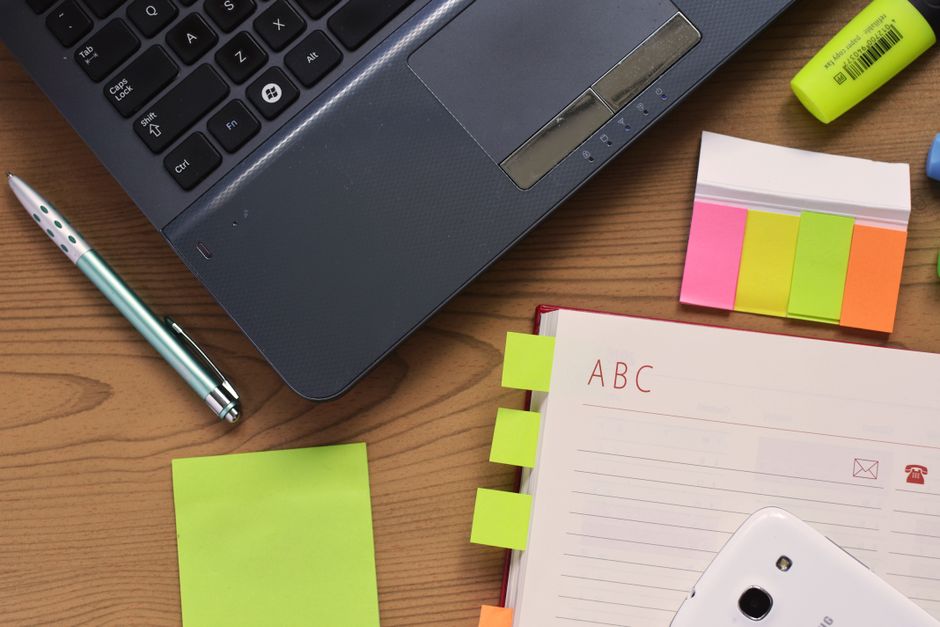
It's 7:30 PM, and the desk is cluttered with yesterday's notes, a half-opened textbook, and a phone that buzzes every few minutes. The phone, just within reach, vibrates again, pulling my focus away from the task at hand. This setup feels all too familiar—trying to reclaim lost time while the clutter and notifications vie for my attention.
I know I should clear the desk and set a timer to keep myself accountable, but the urge to check my messages lingers. Each time I glance at the screen, I lose sight of my goal, and the notes I need to review become just another part of the background noise. The practice block I planned starts to feel more like a race against the clock, where every distraction chips away at my focus. This is my practice block, a chance to review the material I’ve missed after a few days away from my notes.
As I open the notebook, the first ten minutes vanish in a flurry of searching for the right page. I flip through the sections, feeling the weight of my distractions. Each glance at the phone, just within reach, tempts me to check for notifications. I remind myself to resist, but the buzz of a new message pulls my attention again. The clutter on my desk doesn’t help; it’s a visual reminder of everything else I should be doing. I need to reclaim this time.
Before diving back in, I take a moment to adjust my setup. I push the phone out of reach and take a deep breath, focusing on the notes in front of me. I decide to start with a quick review of the last topic I covered, a specific concept I had jotted down in the margin. This small act of prioritizing one clear target helps ground my thoughts, shifting the chaotic energy into a more manageable focus. The practice block is underway, and I can feel the weight of my distractions begin to lift, if only slightly.
The First Ten Minutes: Where Time Disappears
Notifications from social media and messages pull at my attention, each buzz a reminder of the outside world. I tell myself it’s just a quick check, but before I know it, I’ve lost track of time. The clutter on my desk, with papers strewn about and my pen cap missing, adds to the chaos, making it hard to focus on the task at hand.
After a frustrating delay, I finally put the phone down, but now I’m faced with the challenge of locating the right page in my notebook. I flip through the sections, searching for the last topic I intended to review. The goal was to dive into a specific concept, but instead, I’m left staring at a jumble of notes, feeling overwhelmed by the disorganization. The missed check of having my materials ready before starting has cost me focus and time.
With a deep breath, I decide to make a small adjustment: I set a timer for fifteen minutes, committing to just that short review session. I push aside distractions, clearing the desk of unnecessary items, and finally open to the right page. The act of narrowing my focus to one clear target helps me reclaim some of that lost time, but I can’t shake the feeling of how easily those first moments can vanish in a flurry of distractions.
Why the Routine Slips: The Mechanics of Distraction
This same friction shows up again in Practical Life Skills Us, especially when the day tightens unexpectedly.
A stack of papers teeters precariously next to my notebook, and the phone buzzes with notifications, each vibration pulling my attention away from the task at hand. I had every intention of diving into a specific topic, but the disarray makes it hard to focus. Instead of flipping straight to my notes, I find myself distracted by the chaos around me, which only amplifies the frustration of trying to get back into a learning rhythm.
As I sift through the disorganized papers, I realize I’ve lost nearly ten minutes just trying to locate the right page. This hidden step—clearing my desk before starting—could have set me up for success, but I skipped it in favor of diving right in. Each notification feels like a missed opportunity, a reminder that good intentions alone won’t keep me focused.
With a deep breath, I finally decide to take action. I set a timer for just ten minutes, aiming to review one specific concept. I push aside the clutter, creating a small space for my notebook and pen, and silence my phone. This tiny adjustment—clearing the desk and limiting distractions—helps me reclaim some of that lost focus, but I can’t shake the feeling that the initial slip could have been avoided with a bit more preparation.
One Simple Adjustment: Setting Boundaries with Time
A slightly different version of this problem appears in Learning New Skills As, where the sequence changes but the hidden drag feels familiar.
I often find myself distracted, scrolling through notifications instead of diving into my notes. This time, I decide to take a different approach. I grab a timer and set it for five minutes, focusing on clearing my desk before I even think about opening my notebook.
I place my notebook directly in front of me, along with a pen, ensuring everything is within arm's reach. Instead of getting lost in a sea of notes, I choose one specific topic to review—let's say, the principles of adult learning. This targeted focus helps me avoid the common pitfall of aimlessly browsing through all my materials, which can easily eat up my limited time.
As the timer goes off, I feel a sense of accomplishment. This small adjustment of dedicating the first five minutes to organization and choosing one topic has helped me reclaim focus. However, I can't help but wonder how easily I could slip back into chaos if I don’t maintain this boundary next time.
The Ripple Effect: How Focus Shapes the Next Steps
I can feel the weight of the clutter lifting off my shoulders as I close my notebook, having focused solely on the principles of adult learning. This targeted approach, combined with a clean desk, makes it easier to shift gears to other evening tasks. The desk, now devoid of distractions, invites a smoother transition to dinner prep and evening chores.
With my notes neatly stacked and my pen placed back in its holder, I notice that I can quickly pivot to the next item on my to-do list without the usual fumbling around for materials. The time saved from not having to search for my notebook or clear away junk allows me to start dinner earlier than planned.
The phone, still within reach, is a reminder of how easily I could slip into distractions. This small victory of focus today has set a positive tone for the rest of my evening, but it’s clear that maintaining this clarity will be the real challenge.
I push aside the empty coffee mug and the stray papers that have accumulated. With my notebook open to the right page, I can finally focus on the material without wasting precious minutes searching for it. The timer on my phone, still within reach, serves as a gentle reminder to stay on task, but I resist the urge to check notifications. Instead, I concentrate on one short review target: the key concepts from last week's notes.
This simple act of organizing my space has transformed my approach to learning. The distractions that once loomed large are now manageable. I can feel the tension ease as I dive into my notes, knowing that I’ve set myself up for success.
